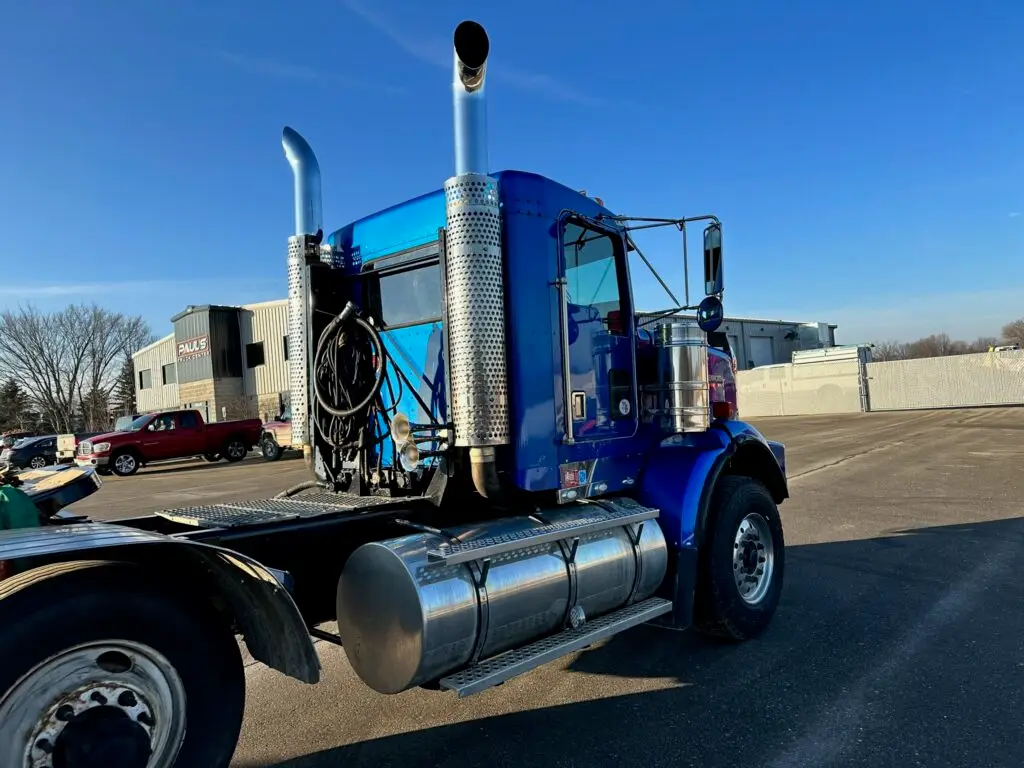

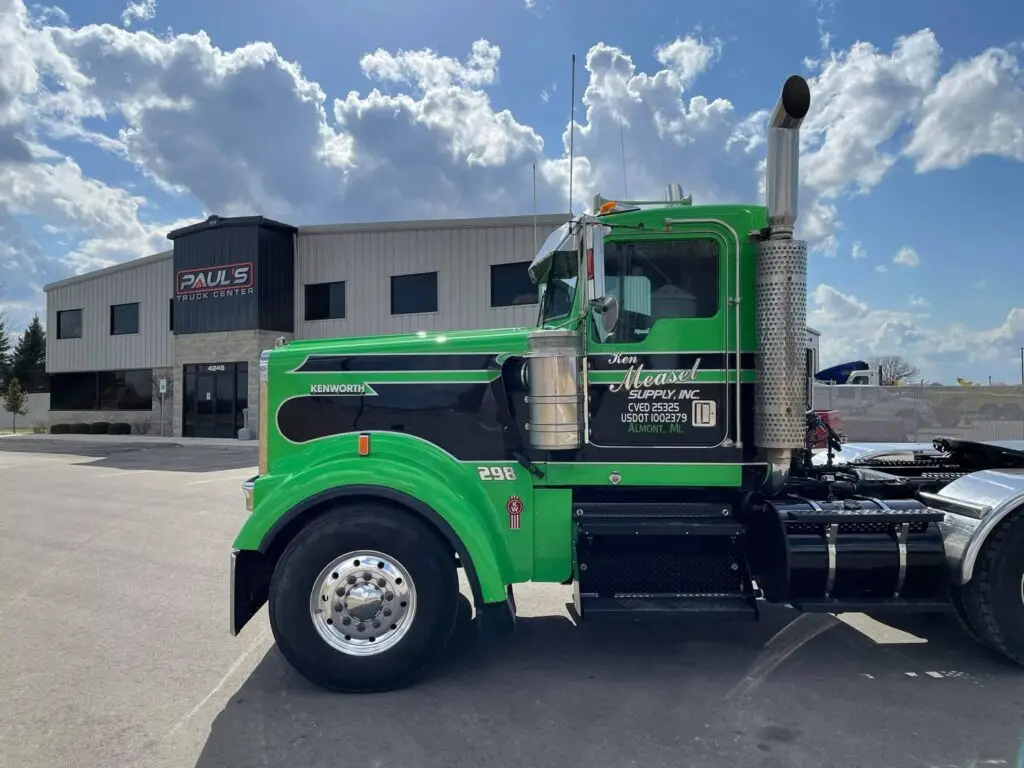
Commercial truck repair is not always simple. Whether your vehicle has collision damage, frame damage, rust, paint issues, fiberglass damage, or custom fabrication needs, Paul’s Truck Center helps fleets, truck owners, municipalities, and commercial operators understand the repair process before getting started.
What should I do after my commercial truck is in an accident?
Start by making sure the vehicle is safe and documenting the damage. Take photos, gather insurance information if needed, and avoid driving the truck if there may be frame, suspension, cooling, glass, or structural damage. For commercial trucks, it is best to have the vehicle inspected by a shop that handles heavy-duty collision repair, not just a standard auto body shop.
Can a damaged commercial truck frame be repaired?
In many cases, yes. Commercial truck frames can often be repaired depending on the severity and location of the damage. Bent frames, twisted frames, damaged crossmembers, and certain structural issues may be repairable. More severe damage may require frame rail replacement, frame sectioning, or frame refurbishing.
How do I know if my truck frame is bent?
Common signs include the truck pulling to one side, uneven tire wear, visible frame damage, doors or body panels not lining up, suspension issues, or the vehicle sitting unevenly. After a collision, jackknife, rollover, or heavy impact, the frame should be inspected even if the damage does not look severe from the outside.
Is it safe to drive a truck with possible frame damage?
It is not recommended. Frame damage can affect steering, alignment, suspension, braking, tire wear, and overall safety. Even if the truck still runs, hidden structural damage can become worse or make the vehicle unsafe under load.
Can a rollover-damaged truck be repaired?
Sometimes. Rollover damage can involve the cab, roof, glass, frame, suspension, body panels, and mechanical components. Whether it can be repaired depends on the extent of the damage. Paul’s can inspect rollover damage and determine whether cab reconstruction, body repair, frame repair, refinishing, or replacement work is needed.
Can jackknife damage be repaired?
Yes, depending on the damage. Jackknife accidents can damage the cab, sleeper, hood, frame, suspension, fuel tanks, service bodies, or body panels. Paul’s handles heavy-duty collision repair for this type of damage and can review the full scope of repair.
Can shifted load damage be repaired?
Yes. A shifted load can damage the cab, box, body panels, frame, doors, roof, or interior structure. This type of damage should be inspected carefully because the visible damage may not show the full problem.
Do I need a heavy-duty collision shop instead of a regular body shop?
For commercial trucks, fleet vehicles, trailers, dump boxes, RVs, and large equipment, yes. Standard body shops are usually not set up for oversized vehicles, heavy-duty frames, commercial refinishing, media blasting, or large-scale fabrication work.
Can collision damage cause mechanical problems?
Yes. Collision damage can affect more than the body of the vehicle. It may also impact the frame, suspension, alignment, steering, wheels, tires, or other mechanical components. Paul’s Truck Center and Paul’s Collision can help with both mechanical repair and collision support in Almont.
Can fiberglass truck hoods be repaired?
Yes. Many fiberglass truck hoods can be repaired depending on the cracking, impact damage, or broken sections. In some cases, panel replacement or more extensive fiberglass work may be needed.
Do you work on personal vehicles too?
Yes. Paul’s Collision can help with auto body repair for personal vehicles, not just commercial trucks. Paul’s Truck Center focuses on truck repair, fleet maintenance, and mechanical service, while Paul’s Collision handles collision and body repair.
What areas do you serve for truck repair and collision repair?
Paul’s Truck Center and Paul’s Collision serve Almont and surrounding areas, including Lapeer, Rochester, Auburn Hills, Rochester Hills, Troy, and nearby communities.
Can a truck frame be straightened?
In some cases, yes. Bent or twisted frame sections may be repairable depending on the damage. Severe damage may require replacement, sectioning, or more extensive frame work.
What areas do you serve for truck repair and collision repair?
Paul’s Truck Center and Paul’s Collision serve Almont and surrounding areas, including Lapeer, Rochester, Auburn Hills, Rochester Hills, Troy, and nearby communities.
Frame sectioning is when a damaged or modified section of frame is removed and replaced or adjusted. This may be needed after damage or for certain custom applications.
Frame stretching changes the frame length for a specific truck setup or application. It is commonly used for commercial trucks, specialty vehicles, and custom builds.
When does a frame need to be replaced instead of repaired?
A frame may need replacement when the damage is too severe, the frame rail is compromised, or repair would not provide the right structural result. Paul’s can inspect the frame and explain the best option.
Can broken crossmembers be repaired?
Yes. Broken or damaged crossmembers can often be repaired or replaced as part of heavy-duty frame repair.
Can suspension damage happen with frame damage?
Yes. Frame and suspension damage often happen together after a collision, rollover, or heavy impact. Suspension rebuilds or moving may be needed depending on the repair.
Can RV fiberglass damage be repaired?
Yes. Fiberglass damage on RVs can often be repaired, depending on the size, location, and depth of the damage.
Can an RV be repainted after body repair?
Yes. RV painting and refinishing can be done after body repair, fiberglass repair, or collision repair.
Can a large RV fit in your facility?
Paul’s is built for large vehicles and oversized repair projects, including commercial trucks, trailers, equipment, and RVs.
Do RV repairs require a specialty shop?
Many RV repairs do, especially when the work involves fiberglass, body damage, refinishing, oversized panels, or frame-related issues. A standard auto body shop may not have the space or equipment for larger RV repairs.
Can you work with insurance claims?
Yes. Paul’s can review collision damage and provide repair information for commercial truck, fleet, RV, or equipment claims. The exact process depends on the insurance company and the type of damage.
Do you provide estimates for commercial truck repairs?
Yes. Estimates are available after reviewing the vehicle, equipment, trailer, RV, or part that needs repair.
Can I send photos before bringing the truck in?
Photos can help give a general idea of the damage, but most commercial truck, frame, blasting, fabrication, and RV projects need an in-person inspection before the final scope of work is determined.
What information should I have ready when I call?
Have the vehicle type, damage details, photos if available, insurance information if applicable, and the type of service you think you need, such as collision repair, media blasting, painting, frame repair, fabrication, or RV repair.
Do you provide DOT inspections for trucks?
Yes. Paul’s Truck Center provides DOT inspections as part of our fleet general services. DOT inspections help confirm that commercial vehicles meet safety requirements and are ready for use on the road.
Can aluminum truck hoods or panels be repaired?
Yes. Aluminum panels and hoods require the right repair process and experience. Paul’s works with steel, aluminum, fiberglass, and plastic components on commercial trucks and specialty vehicles.
Can box truck panels be repaired or replaced?
Yes. Box truck panels can often be repaired or replaced depending on the damage. This is common for delivery vehicles, fleet trucks, service vehicles, and commercial box trucks with side, rear, roof, or door damage.
Can service bodies and toolbox doors be repaired?
Yes. Service bodies, toolbox doors, compartments, hinges, panels, and related body components can often be repaired, refinished, or fabricated depending on the damage.
Can collision damage affect the suspension or drivetrain?
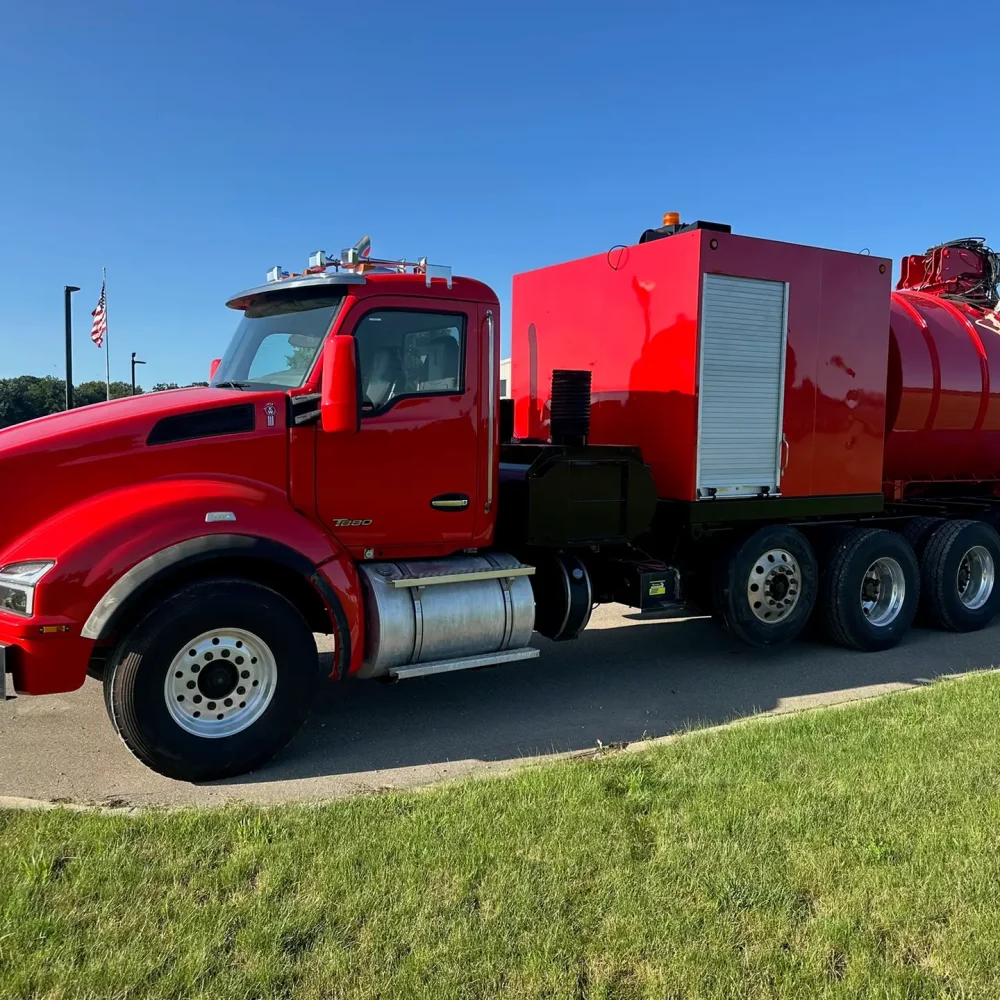
Yes. A collision can damage suspension components, drivetrain parts, axles, steering components, mounts, and frame alignment. That is why commercial truck collision repair often involves more than just body work.
Does truck glass need to be replaced after a collision?
Sometimes. If the windshield, side glass, rear glass, seals, cab structure, or surrounding panels were damaged, the glass may need repair or replacement as part of the collision repair process.
Is media blasting better than sanding for rust removal?
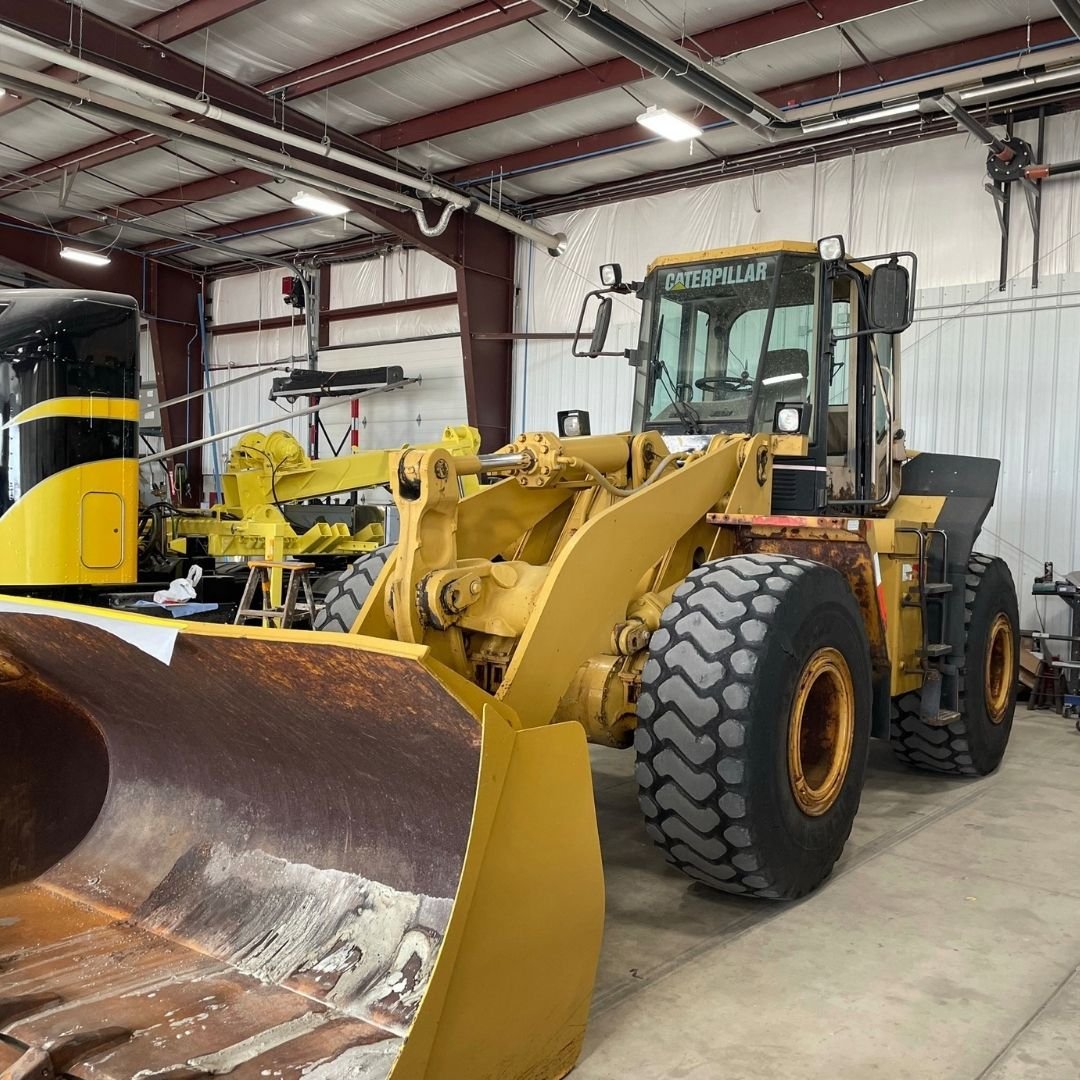
For larger commercial parts, frames, dump boxes, trailers, and equipment, media blasting is often more effective than sanding. It can remove rust, old coatings, scale, and surface buildup from areas that are hard to reach by hand.
When does a truck frame need media blasting?
A truck frame may need media blasting when there is heavy rust, old coating failure, surface contamination, or when the frame is being prepared for refinishing, coating, repair, or refurbishing.
Can media blasting remove heavy rust?
Yes. Media blasting is commonly used to remove heavy surface rust and prepare metal for repair or coating. If rust has caused structural damage, additional repair or fabrication may be needed after blasting.
What types of parts can be media blasted?
Truck frames, dump boxes, trailers, equipment, fabricated parts, service bodies, metal panels, and other large commercial parts can be media blasted.
Yes. Trailers are common media blasting projects, especially when rust, old paint, or coating failure needs to be removed before refinishing.
How important is OEM paint matching for fleet vehicles?
OEM paint matching helps keep fleet vehicles looking consistent and professional. This matters for company branding, resale value, and maintaining a clean appearance across multiple trucks or service vehicles.
Can you repaint only the damaged part of a truck?
Sometimes. If the damage is limited, the affected area may be repaired and refinished. The repair plan depends on the location, paint condition, color match, and whether blending is needed.
How important is OEM paint matching for fleet vehicles?
OEM paint matching helps keep fleet vehicles looking consistent and professional. This matters for company branding, resale value, and maintaining a clean appearance across multiple trucks or service vehicles.
Can you paint an entire commercial truck?
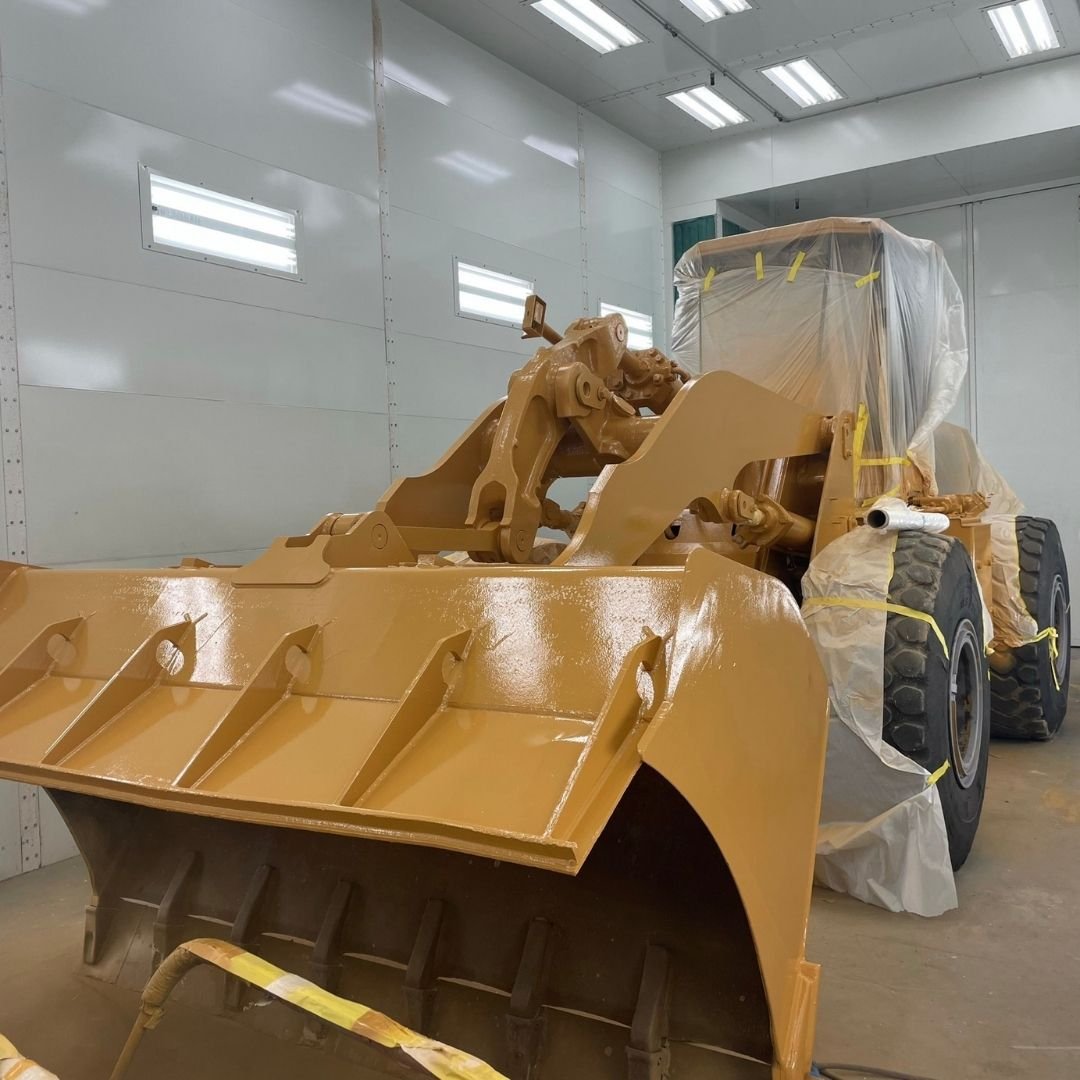
Yes. Complete commercial truck painting is available for trucks, fleet vehicles, equipment, trailers, service bodies, and RVs depending on the project.
Can faded commercial truck paint be refinished?
In many cases, yes. Faded, worn, or damaged paint can often be refinished. If the surface has rust, old coating failure, or body damage, prep work such as blasting, repair, or sanding may be needed first.
Can you repaint a truck after media blasting?
Yes. Media blasting is often part of the prep process before refinishing. After blasting, the surface can be repaired, primed, coated, and painted with the right commercial products.
Can custom parts be made if replacement parts are unavailable?
Yes. If a part is discontinued, hard to find, or no longer available, custom fabrication may be an option.
Can you modify steel and aluminum truck components?
Yes. Steel and aluminum modifications are available for commercial trucks, service bodies, custom builds, and specialty vehicles.
Can you make custom fenders or brackets?
Yes. Custom fenders, fender brackets, and related components can be built or modified depending on the truck and project.
Can custom fabrication help after collision damage?
Yes. Sometimes collision repair requires custom fabrication when factory parts are unavailable, damaged pieces need reinforcement, or the truck has a custom setup.
Can you fabricate parts for service bodies?
Yes. Service bodies often need custom brackets, doors, panels, compartments, mounts, or other fabricated pieces.
Can you add or repair light bars and wiring?
Yes. Light bars, lights, and wiring can be handled as part of fabrication, repair, or commercial truck modification work.
Can you help keep fleet trucks looking consistent?
Yes. Paint matching, refinishing, body repair, and service body repairs can help fleet vehicles maintain a consistent, professional look.
Do you repair municipal trucks and emergency vehicles?
Yes. Paul’s works on municipal and emergency vehicles, including county trucks, fire trucks, ambulances, and public works vehicles.
Can you work on school buses or school bus garage vehicles?
Yes. Paul’s works with school bus garages and large-vehicle operations that need body repair, painting, refinishing, frame work, or blasting.
Do you repair work trucks that need to get back on the road quickly?
Yes. Paul’s understands that downtime matters for work trucks, fleets, and commercial operations. The repair timeline depends on damage, parts, paint, blasting, and the scope of work.
Can you add or repair light bars and wiring?
Yes. Light bars, lights, and wiring can be handled as part of fabrication, repair, or commercial truck modification work.
At Paul’s Collision, we know that dealing with vehicle damage is never convenient. That’s why our team works hard to make the repair process as smooth and stress-free as possible. From truck body repair and collision work to frame repair, paint, welding, and windshield repair, we provide dependable service that helps restore your vehicle with care and precision.
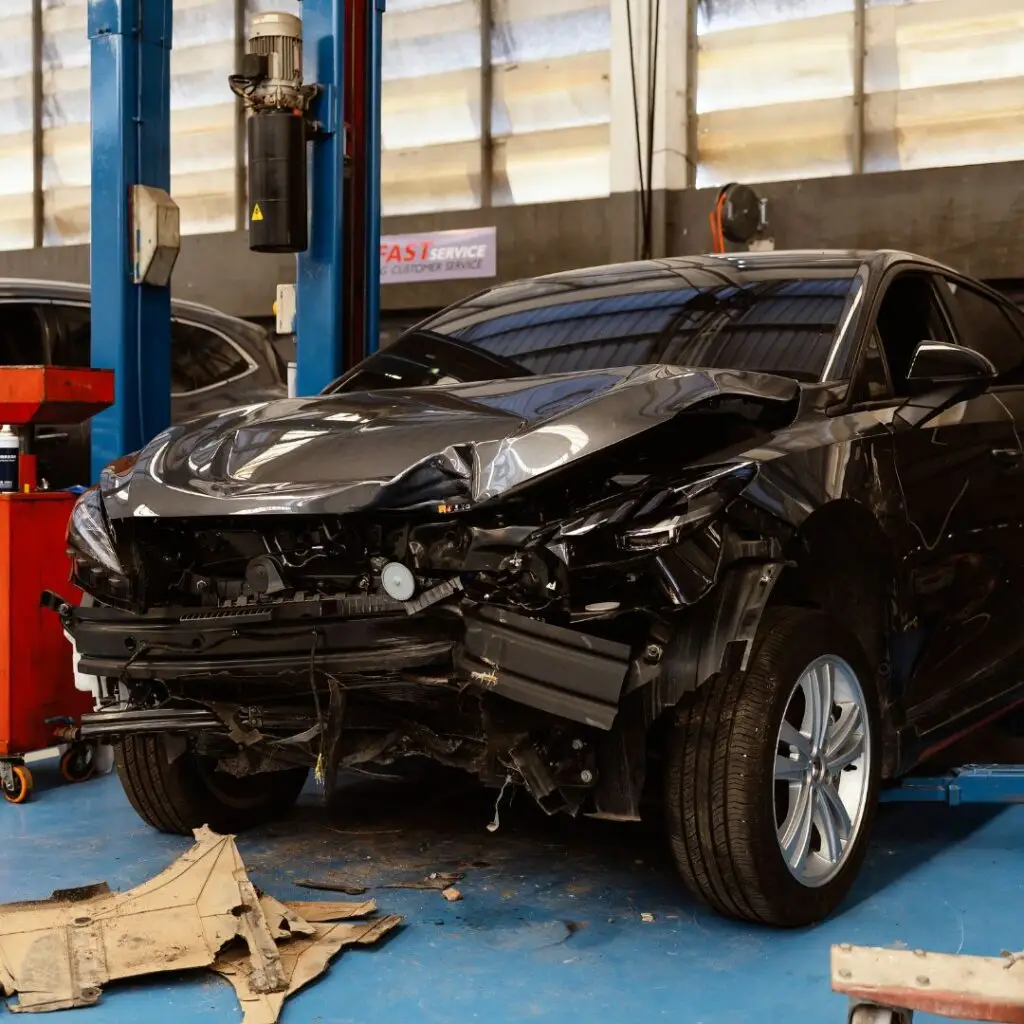
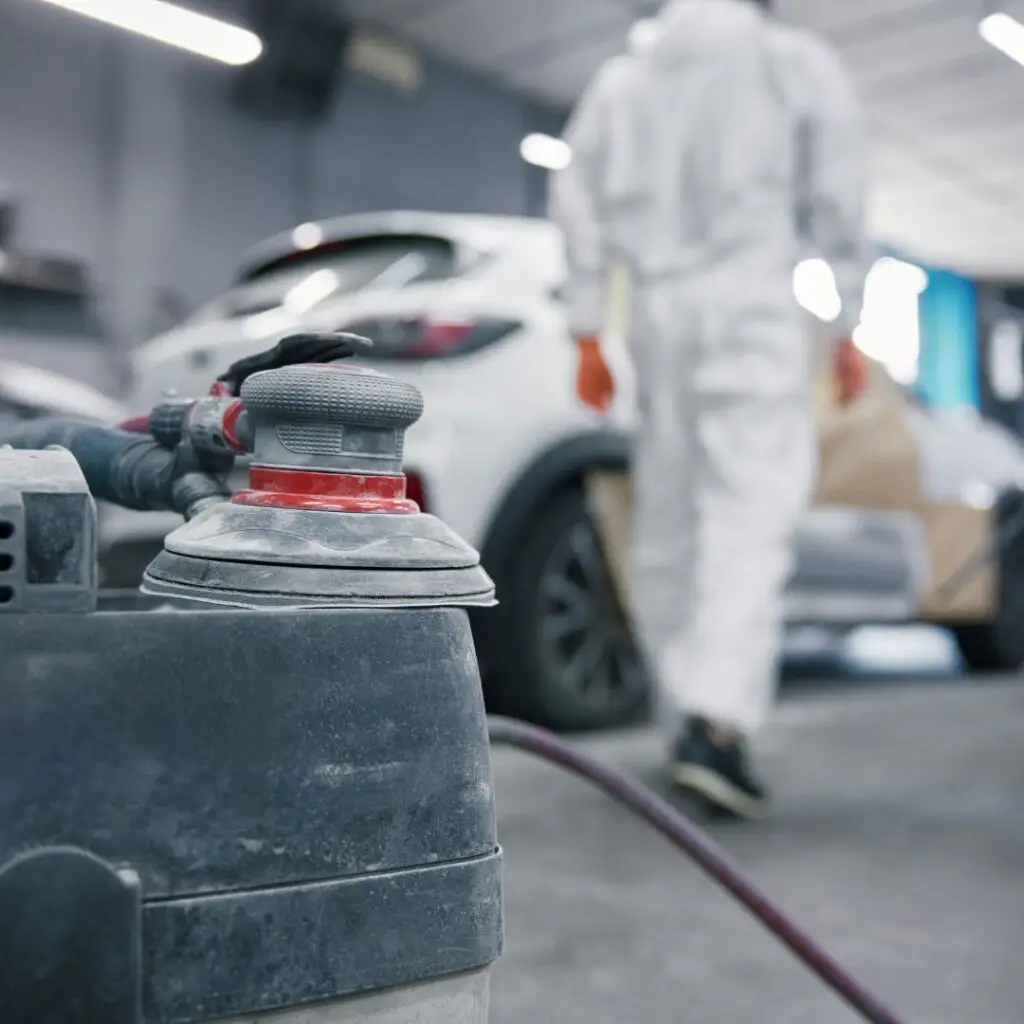
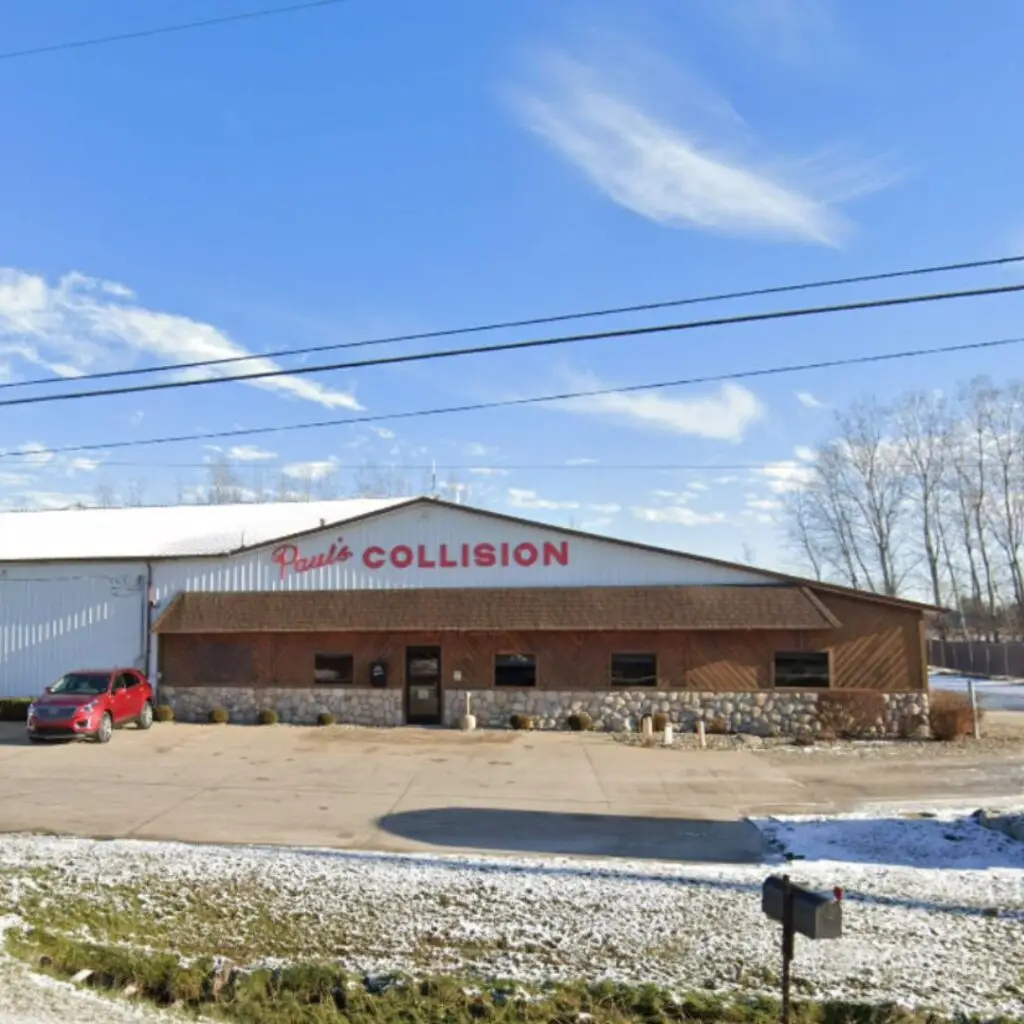
Paul’s Truck Center can help you understand the next step, whether you need collision repair, frame repair, media blasting, painting, fabrication, or RV repair. Contact our local family-owned team today to talk through your project.